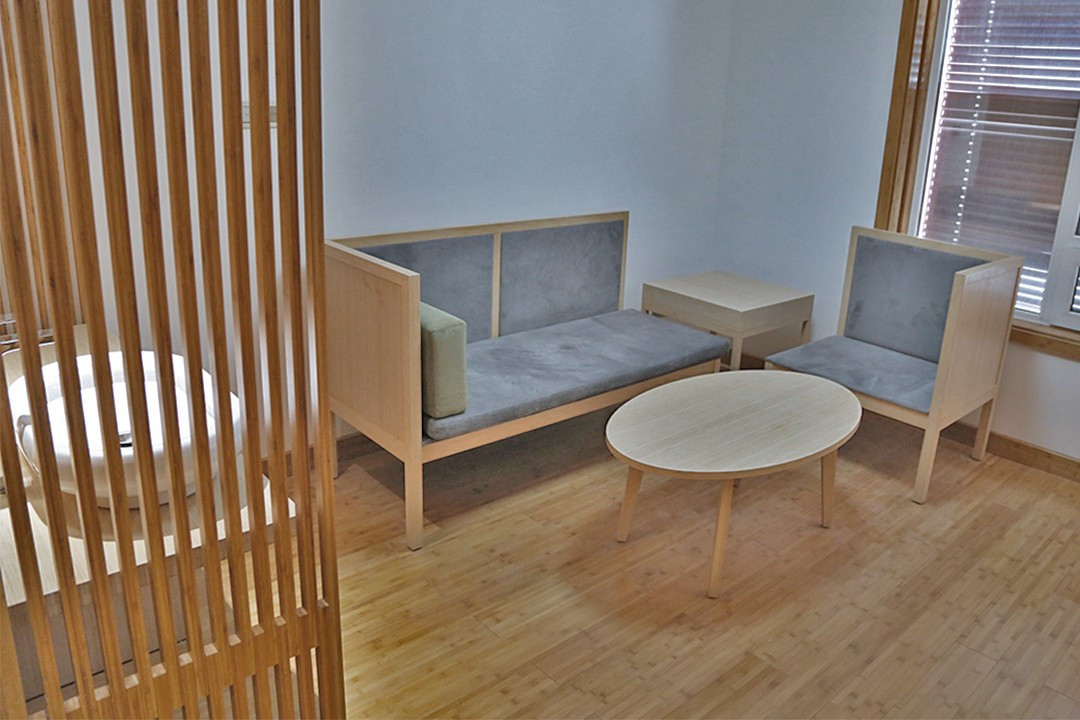
Sustainable bamboo flooring has been drawing interest from architects, builders, and homeowners across different regions, largely because it sits at the intersection of natural beauty, practical performance, and responsible material sourcing. As construction and interior design standards shift toward long‑lasting materials with low environmental stress, bamboo has found a place that feels both modern and rooted in long‑established craftsmanship. Its rise has been steady rather than sudden, shaped by decades of improvements in harvesting, processing, and finishing methods.
This blog takes a closer look at why bamboo flooring has earned such widespread recognition, covering the factors that shape its appeal and the characteristics that set it apart from more conventional flooring options.
A Renewable Material With Strong Environmental Credentials
Bamboo’s natural growth cycle is one of the core reasons it has drawn sustained global attention. While many hardwood species require several decades to mature, bamboo reaches harvestable maturity in a few short years. The plant regenerates through its root system after cutting, allowing managed bamboo forests to maintain consistent output without the soil disruption associated with clear‑cutting practices.
Responsible producers have adopted controlled harvesting, moisture regulation, and replanting systems that keep the environmental footprint low. The plant’s ability to absorb significant amounts of carbon throughout its growth period contributes to its environmental value. When processed into flooring, bamboo retains a portion of the carbon it has stored, making it a material that naturally supports lower‑impact building practices.
These characteristics resonate strongly with designers and end users looking for options aligned with long‑term ecological responsibility rather than short‑term consumption.
Practical Durability and Everyday Strength
For flooring to gain traction globally, it must perform reliably under constant foot traffic, shifting humidity levels, and long hours of daily use. Bamboo’s fiber structure gives it surprising strength, allowing it to perform on par with many hardwoods. Compressed or strand‑woven bamboo increases density further, resulting in boards that resist dents, surface wear, and structural deformation.
Many households value flooring that can withstand the movement of chairs, children running indoors, and the occasional dropped object without showing immediate damage. Bamboo meets these practical requirements while maintaining a cleaner, calmer visual appearance over time. The surface often holds up well against minor scratches, and routine cleaning keeps it looking fresh.
Because durability directly affects long‑term cost and convenience, bamboo’s balance of strength and sustainability is one of the key drivers behind its global rise.
A Visual Style That Fits Many Interiors
Design trends rarely stay still. Preferences shift from warm tones to cooler palettes, from minimalist looks to textured surfaces, from matte to subtle sheen. Bamboo has adapted gracefully to this landscape because its natural grain works well in a wide range of design concepts.
Depending on processing and finishing methods, bamboo flooring can appear bright and airy, rich and warm, or understated and modern. Carbonized bamboo offers deeper tones, while lighter finishes highlight the fine linear grain that many architects favor. These variations allow homeowners and designers to work bamboo into Scandinavian interiors, Japanese‑inspired spaces, contemporary city apartments, family homes, and commercial environments.
The clean lines of bamboo flooring create a calm foundation for rooms, complementing both simple and richly detailed décor. Its versatility is one reason it continually attracts interest from professionals who prefer materials that remain relevant year after year.
An Accessible Choice for Different Budgets
Cost has always influenced material trends, and [Strand woven bamboo flooring https://www.bambooflooringchina.com/products/click-strand-woven-bamboo-flooring.html] has gained global traction partly because it covers a broad price range. Entry‑level options offer homeowners a chance to introduce natural materials without exceeding budget limits, while higher‑grade compressed bamboo lines appeal to those seeking premium style and durability.
Manufacturing efficiency has improved considerably. Producers now use optimized cutting, drying, and pressing techniques that reduce waste and improve board consistency. These advancements keep production costs controlled, which helps bamboo remain competitive against traditional hardwoods and other floor coverings.
This affordability makes bamboo a practical choice for various projects, from multi‑unit developments to individual home renovations.
Comfort Underfoot and Stable Indoor Experience
The way a floor feels is just as important as how it looks. Bamboo has a subtle elasticity that provides a comfortable walking experience. It absorbs some impact, reducing strain on the feet during long hours of standing or moving through a room. This is particularly valued in homes where people walk barefoot or spend frequent time in the kitchen or living area.
Indoor comfort also depends on how a material responds to seasonal shifts. Bamboo remains relatively stable when exposed to moderate changes in temperature or humidity, provided installation follows standard guidelines. This stability contributes to fewer issues such as cupping or gapping, which can disrupt both the appearance and functionality of a floor.
The combination of physical comfort and predictable performance helps explain why bamboo flooring has become a trusted option in regions ranging from humid coastal areas to drier interior climates.
Advancements in Modern Manufacturing
The bamboo flooring available today differs significantly from early versions that entered the market decades ago. Developments in adhesives, kiln‑drying technology, multi‑layer pressing, and surface treatments have improved both the structural and visual quality of each board.
Low‑emission resins and waterborne coatings have replaced older, heavier chemical finishes. Precision machining now results in tighter locking systems, reducing installation challenges. Enhanced quality control ensures uniform color, stable moisture content, and longer‑lasting surfaces.
These refinements have allowed bamboo to step confidently into markets once dominated by oak, maple, and engineered hardwood. The increasing consistency across production lines gives distributors, installers, and end users greater confidence.
Growing Recognition in Commercial and Public Spaces
Beyond residential use, bamboo flooring is appearing more frequently in hotels, offices, retail settings, and educational facilities. Its durability suits high‑traffic areas, while its natural look helps bring warmth and balance to large architectural spaces where materials often feel cold or industrial.
In commercial projects, architects often look for materials that represent responsible sourcing without compromising design standards. Bamboo fits into this mindset. Many institutions also value its acoustic properties, as the density of strand‑woven bamboo helps reduce footstep noise and improves overall comfort for occupants.
Its ability to span both practical and aesthetic needs has helped it gain credibility in professional environments where reliability is essential.
Alignment With Broader Lifestyle Priorities
Consumer expectations have shifted over time. People are more attentive to material origins, indoor air quality, and long‑term value. Bamboo satisfies these expectations through its minimal environmental impact, low emissions when properly manufactured, and respectable durability.
Homeowners often seek materials that support a calmer, more grounded living environment. Bamboo’s appearance, tone, and tactile qualities contribute to this. The subtle linear grain offers a sense of order without feeling repetitive or overly processed.
Designers and builders who aim to create balanced interior atmospheres often choose bamboo for its ability to soften a room’s energy while still delivering reliability and visual clarity.
A Material Shaped for Long‑Term Use
Bamboo flooring has reached a point where performance, sustainability, and design flexibility converge in a stable, mature product category. Its growing global attention is not driven by trends alone but by steady improvements in how it is grown, processed, and integrated into modern spaces.
From private homes to commercial buildings, bamboo brings natural character, dependable function, and environmentally responsible sourcing. Its continued rise is supported by tangible qualities that matter to builders and homeowners alike, and its ability to adapt to different aesthetic preferences ensures it remains relevant across cultures and locations.
As more people seek materials that reflect thoughtful living and measured environmental impact, sustainable bamboo flooring stands out as a choice that balances long‑term practicality with a naturally grounded sense of style.